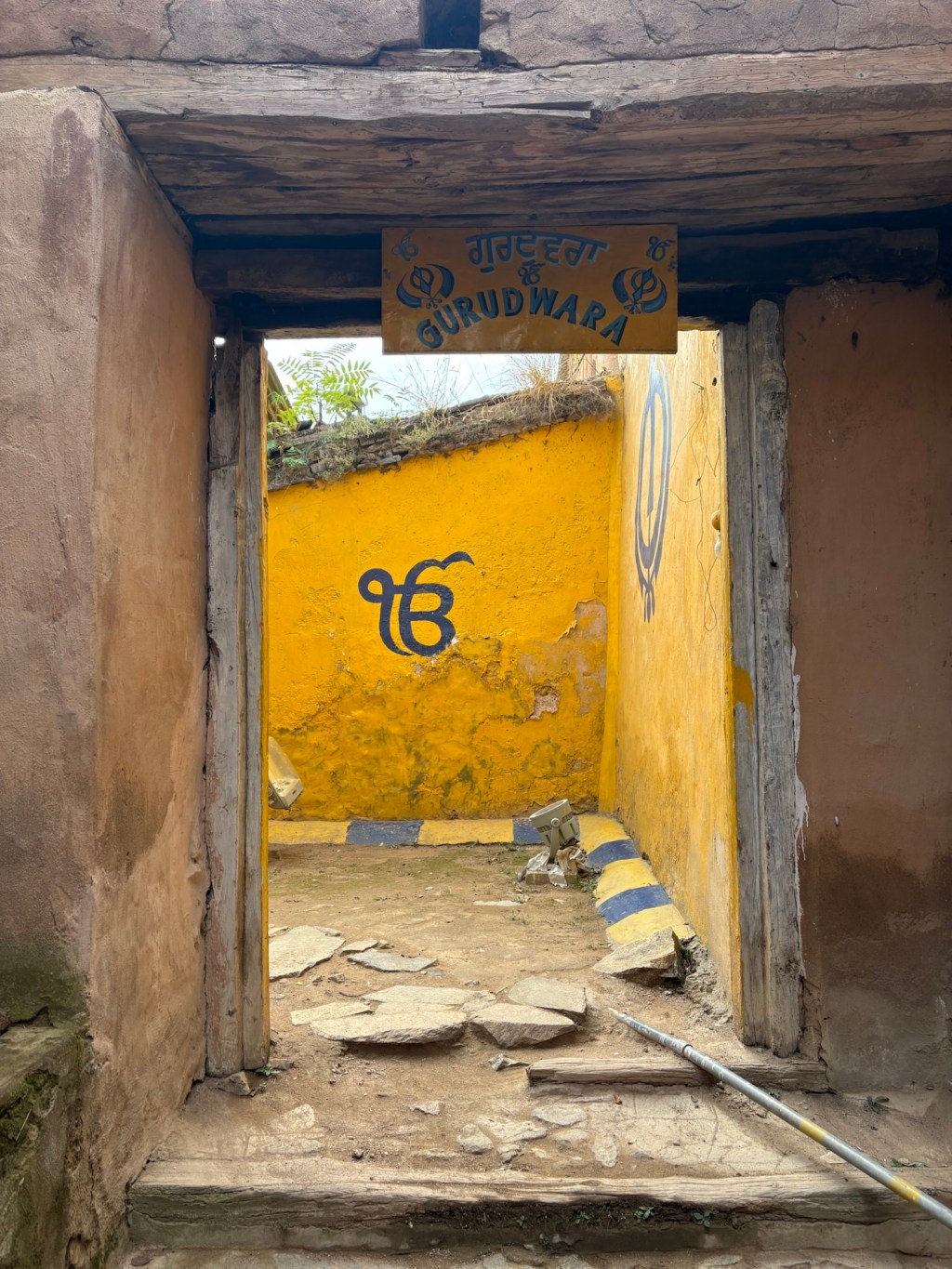
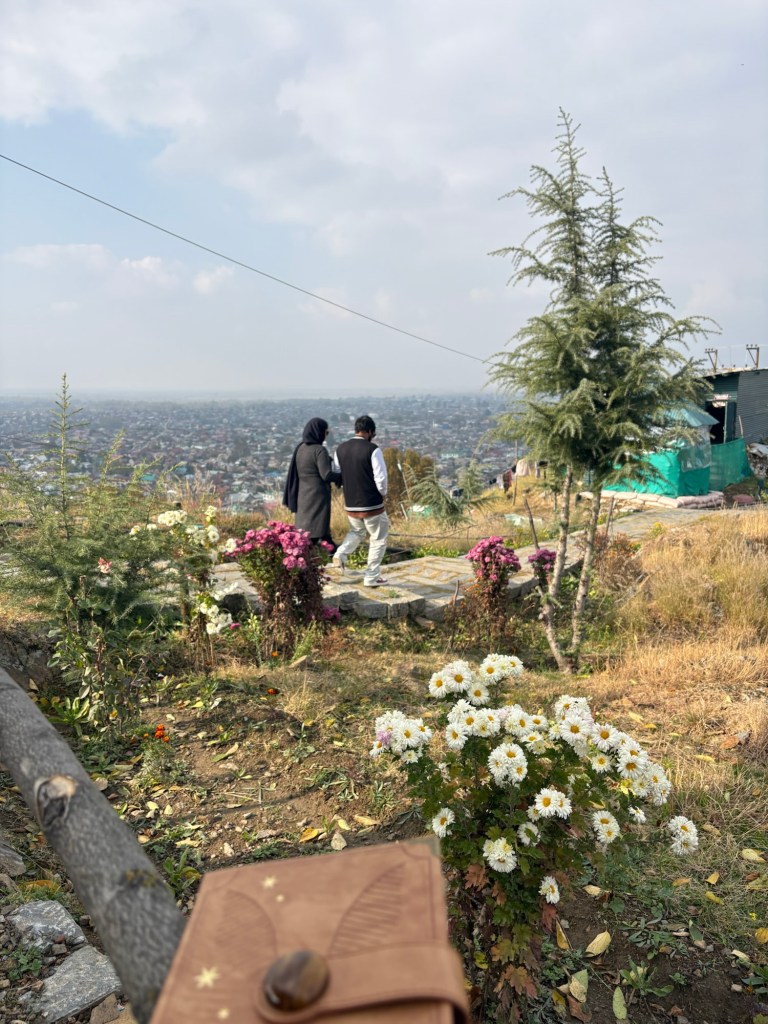
One early November morning, as Srinagar greeted the sun, I found myself driving to a peak that had witnessed the valley’s stories for centuries. Hari Parbat, a postcard-worthy spot, carries many identities on its slopes. It is a fort, a shrine, a pilgrimage route and in many ways, a symbolic place where all faiths co-exist without establishing dominance. Although I had seen it countless times from afar, yet wintery November blessed me with the first visit of the season. I arrived with quiet longing to soak in the soul of stunning architecture.
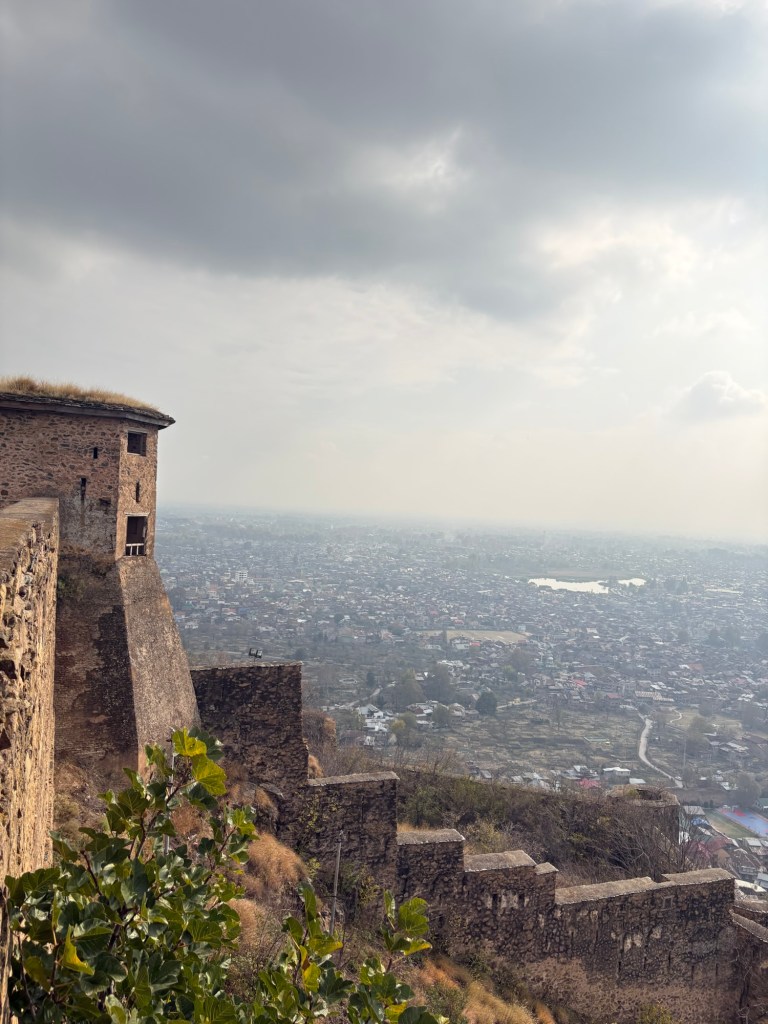
The ascent was gentle but the hill definitely carries weight historically. As soon as one begins the uphill climb, one cannot ignore but witness the vibrant flora and melodic calls of the birds that fill the air with a welcoming aura. Hari Parbat, also known as Kooh-e-Maran situated on the west side of Dal Lake offers a magnificent view of the city. An Afghan Governor Atta Mohammed Khan built the fort in the 18th century and Akbar constructed a long wall in 1590. Currently, the fort is maintained by the Archaeological Survey of India (ASI) housing commendable structures from all religions.
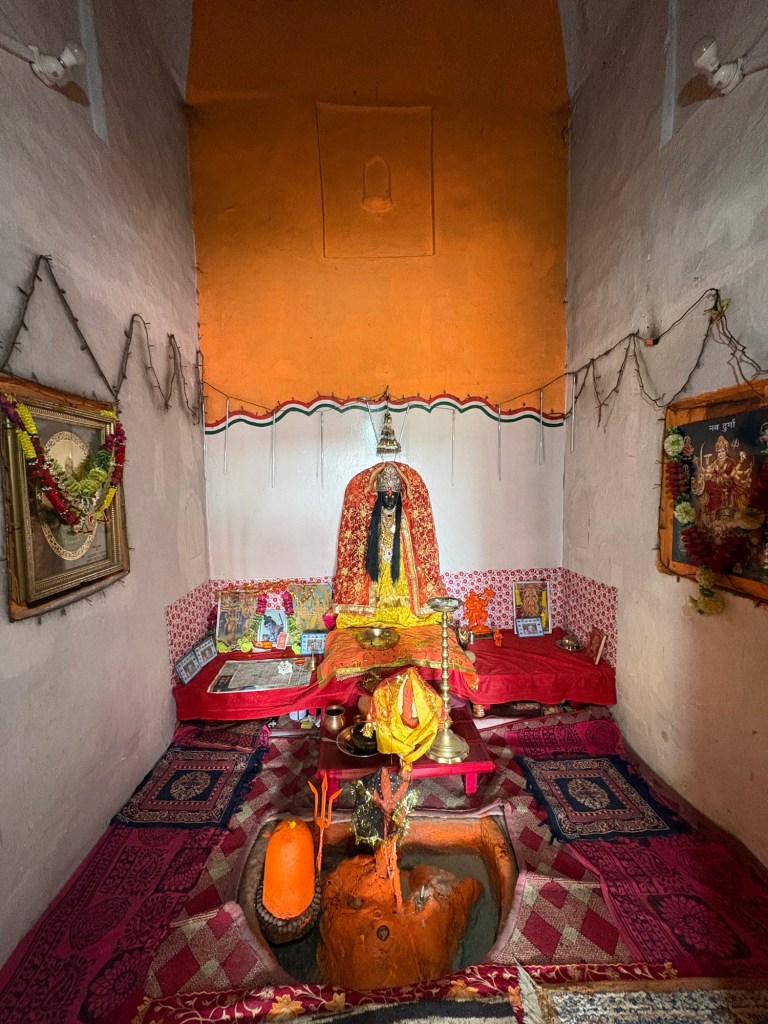
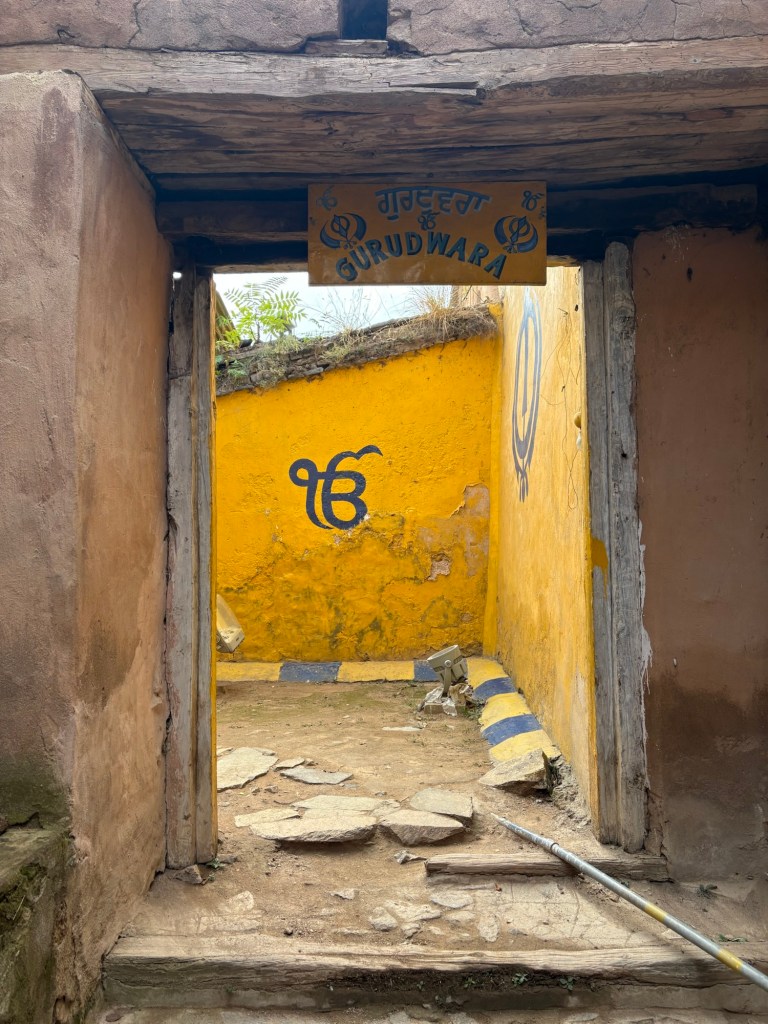
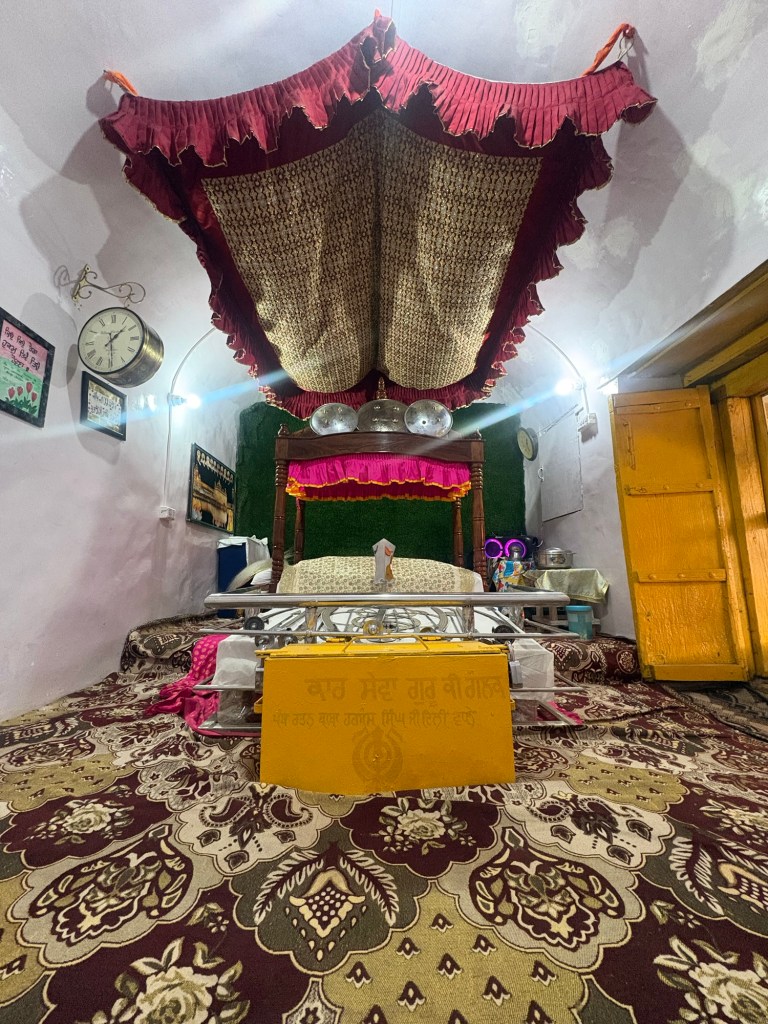
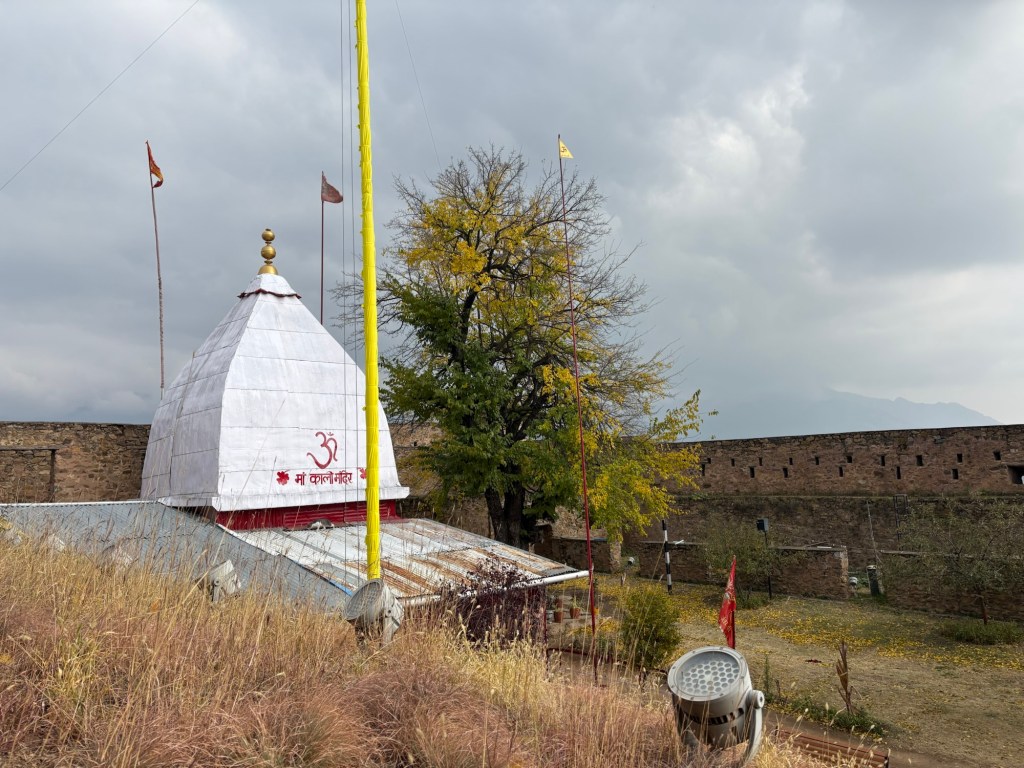
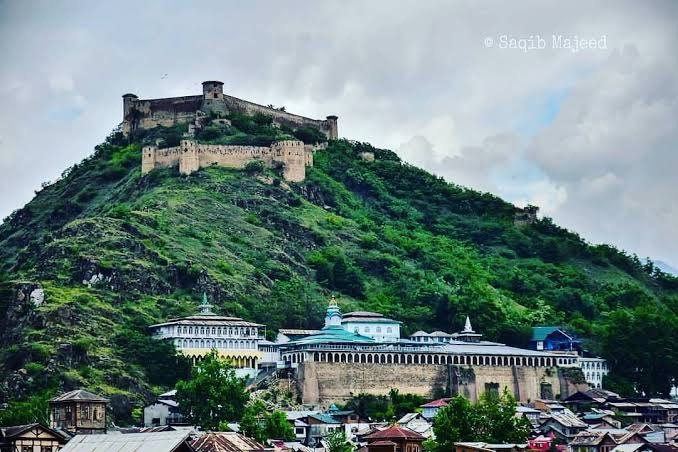

Beige stone walls merging with the autumn dusted slope felt like a solid frame around something old but sacred. I witnessed a remarkable cohabitation, Sharika Devi temple, the shrine of Makhdoom Sahib and Hari Parbat Gurdwara at the heart of the fort. Three sacred spaces for Hindus, Muslims and Sikhs sharing the same hill without friction each bearing its own history, rituals and rhythm. Although, when experienced in person, the geo-tagging of different faiths on the hill feels more philosophical than geographical.
As it was the 556th birthday of Sri Guru Nanak Dev Ji, I felt immensely blessed to have reached Gurudwara Pehli Padshahi Hari Parbat, a shrine that was once believed to mark the footsteps of Guru Nanak during his third Udasi through Kashmir. The hilltop Gurdwara perched between rugged stone-walls and open air felt intimate and a serene pause. After offering prayers, a sevadar gave me Kada-Prasad that not only warmed my cold hands but also restored equilibrium to the spirit itself.
This surreal experience reminded of a few poetic lines from one of my favorite Shabads, which goes like:
“Jaddo tak mohabbat ikk di nahi, jind rutbe lene sikhdi nahi.
Ae chithi jedi dikhdi ni, par pad je rooh ghare tikdi nahi.”
It translates to, “Until love becomes devoted to just one, the heart doesn’t learn what true royalty or worth is. This letter which is not seen, but when read, the soul does not stay at home”
Next was Maa Kali Temple adjacent to Gurdwara Sahib so I sought Devi’s blessings too along with many fellow travelers. The next stop was Sharika Devi temple dedicated to Goddess Sharika. Bells chimed in the breeze steadily announcing hill’s gentle awakening. The air was thick with incense inside the sanctum with chinar leaves sleeping comfortably on the floor.
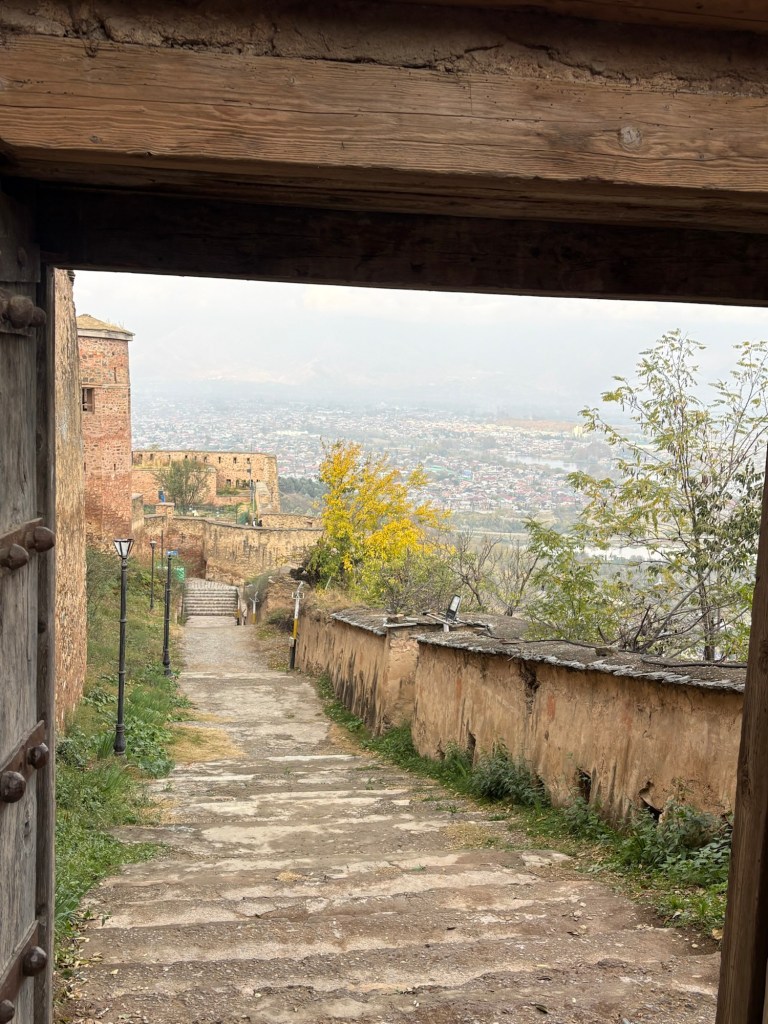
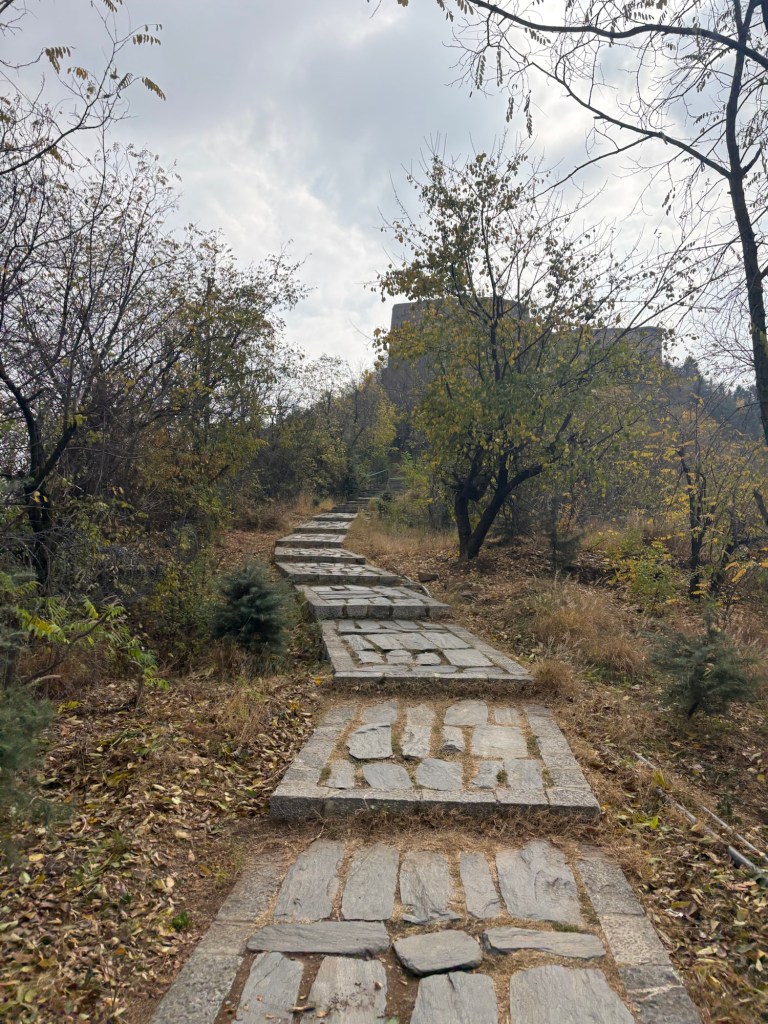
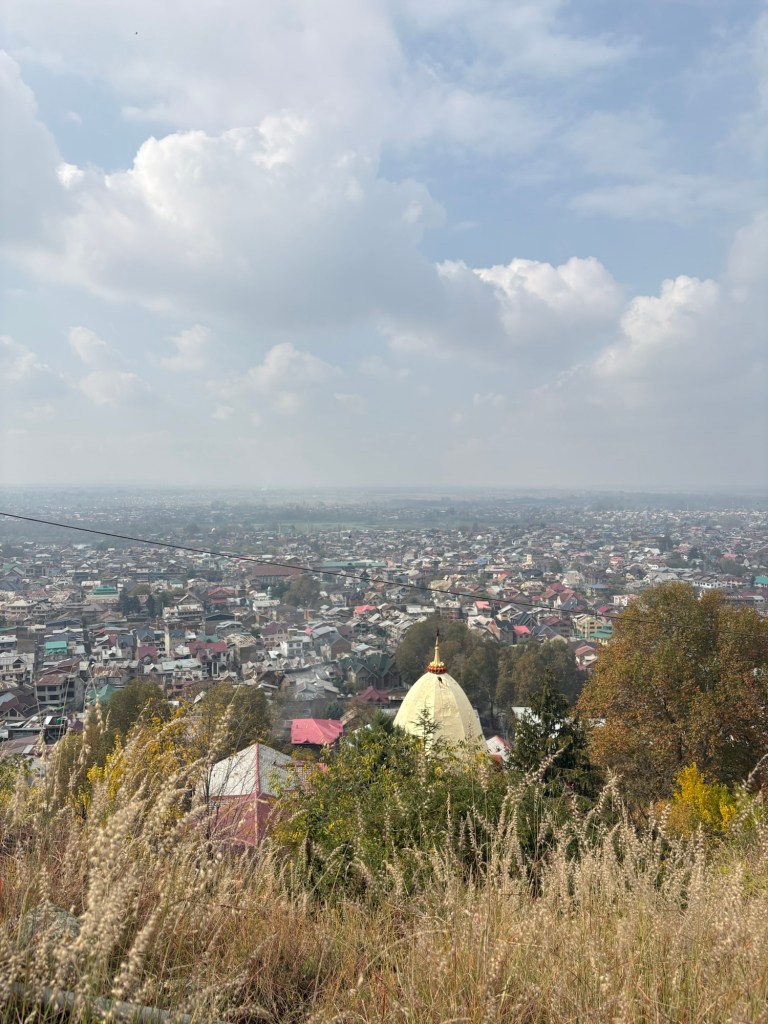
Descending further along the hill’s curve took me to the Makhdoom Sahib shrine, which honours the famed Sufi saint Sheikh Hamza Makhdoom. If the temple was fragrant, and the Gurdwara was quiet and serene, the shrine was cool and introspective. The stone passageways lay in near silence broken only by the soft hum of passing prayers. The building, a fusion of Mughal and Kashmiri architecture, produced natural pockets of light and darkness where devotees halted for prayers.Once you exit the entry gate to Hari Parbat and move towards Kathi Darwaza, one reaches Gurdwara Chatti Padshahi with its pristine white dome gleaming against the November sky. This gurdwara commemorates the visit of the sixth Sikh Guru, Sri Guru Hargobind Sahib Ji. I could hear the recitation of Gurbani creating a rhythmic quietude from afar as it was Gurpurab that day.
On my way back, I realised something subtle but profound. There was no sudden change in atmosphere as I traveled between shrines, no visible lines where one faith ended and another started. Instead, I felt that each space organically transitioned into the next. And, pilgrims seemed to follow this cadence too, passing each other with nods and smiles, also an underlying understanding that holiness is shared not partitioned.
The fort atop the hill, once a symbol of authority, now stands guard over cultural harmony. It is uncommon to discover a place where geography, history and culture coexist so harmoniously.
Hari Parbat’s silent assertion is not passive tolerance but active cohabitation. In a society where identities are increasingly compartmentalised, the hill provides a counter narrative of convergence.
It does not preach togetherness, rather practices it.

 HARDEEP BALI
Leave a comment